
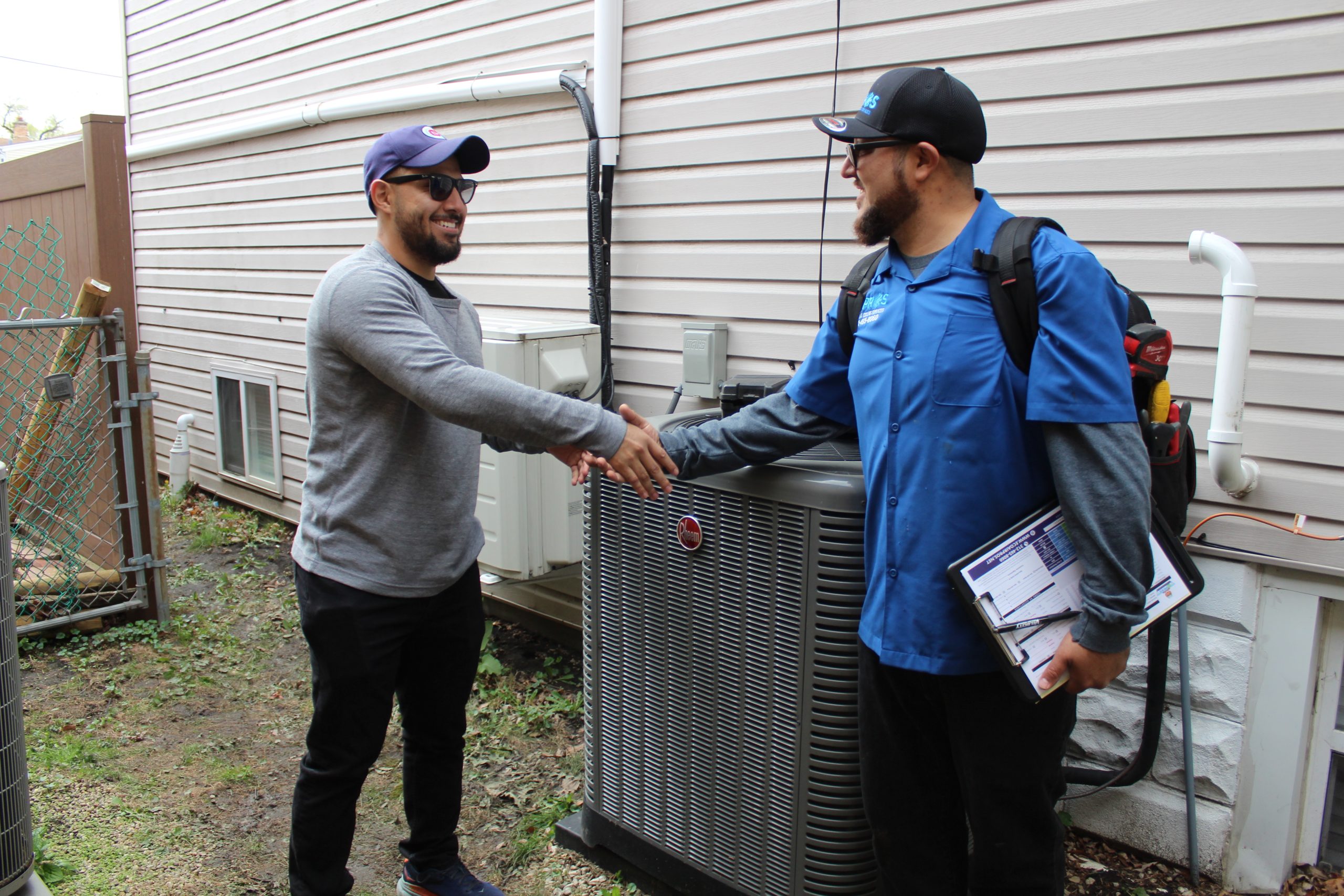
Elmwood Park, IL HVAC Contractor Delivering Quality Heating & Cooling
Elmwood Park, IL HVAC Contractor Delivering Quality Heating & Cooling
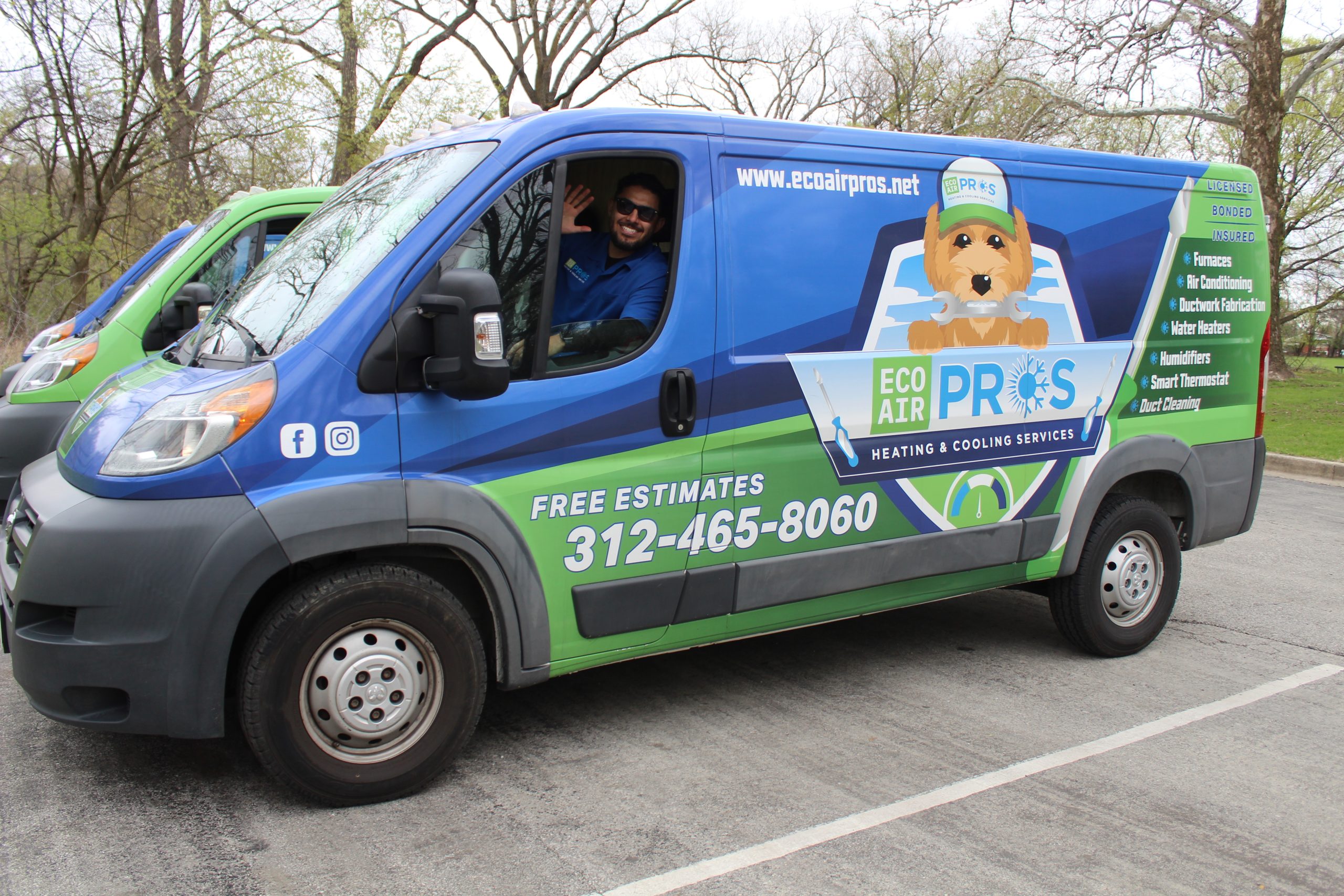
You work hard to keep your home comfortable, safe, and welcoming. In Elmwood Park, IL—where winters bite and summers sizzle—your HVAC system isn’t a luxury. It’s a lifeline. Whether you’re sweating through a surprise July heatwave or bundling up against a stubborn January freeze, you need heating and cooling that simply works. Reliable. Efficient. Honest. That’s what this guide is all about.
In the following deep-dive, you’ll discover everything you need to know to choose, maintain, and optimize a top-tier HVAC system in Elmwood Park. From essential maintenance tips to smart thermostat strategies, and from indoor air quality upgrades to real-world pricing guidance, this is your playbook for better comfort and smarter decisions. We’ll also walk through what separates a great HVAC contractor from the rest—so you can feel confident before you sign a contract or schedule a tune-up.
Let’s begin with the essentials and build your HVAC confidence, step by step.
Heating anc Air Conditioning in Elmwood Park, IL,HVAC Company Elmwood Park, IL,HVAC Contractor Elmwood Park, IL,Heating & Cooling,Air Conditioning,Heating
Here’s the deal: Heating and air conditioning in Elmwood Park isn’t one-size-fits-all. The village’s blend of historical homes and newer builds brings unique HVAC needs—older ductwork, mixed insulation, brick exteriors, and tight lots that constrain outdoor equipment placement. Add in Lake Michigan’s moderating but unpredictable influence on weather, and your system’s demands shift fast. That’s where an experienced HVAC contractor comes in.
At a glance:
- Heating: Furnaces (gas), boilers, and heat pumps handle the cold. Furnace efficiency ratings (AFUE) matter—so does proper sizing based on home layout and insulation.
- Air Conditioning: Central AC, ductless mini-split systems, and heat pumps serve cooling and shoulder-season comfort. SEER2 and ENERGY STAR ratings guide efficiency.
- Heating & Cooling Together: Heat pumps can deliver both, but in Chicagoland’s deepest cold, dual-fuel systems (heat pump plus gas furnace) often strike the best balance.
- Indoor Air Quality (IAQ): Air filtration, humidity control, and ventilation are vital, especially in tight, energy-efficient homes.
- Professional Help: An HVAC Company Elmwood Park, IL residents trust will perform proper load calculations, recommend right-sized equipment, and stand behind their work with transparent warranties.
Local homeowners ask the same question: How do I choose the right HVAC Contractor Elmwood Park, IL can rely on year after year? The short answer is certifications, local references, precise diagnostics, and a written scope of work. The long answer—full of practical tips—is coming your way.
Elmwood Park, IL HVAC Contractor Delivering Quality Heating & Cooling
When you search for “Elmwood Park, IL HVAC Contractor Delivering Quality Heating & Cooling,” you want more than a slogan. You want a contractor who shows up on time, explains clearly, prices fairly, and fixes the problem right the first time. The best contractors do three things exceptionally well:
1) They diagnose, not guess.
2) They size and design your system specifically for your home.
3) They treat energy efficiency like a promise, not a pitch.
You’ll see this phrase—Elmwood Park, IL HVAC Contractor Delivering Quality Heating & Cooling—often in local search. But here’s what it should mean in real life:
- Transparent assessment: A technician shows you what’s wrong, not just tells you.
- Load calculation: They use ACCA Manual J and S for sizing, not rules of thumb.
- Airflow measurement: They test static pressure and airflow to ensure your system breathes properly.
- Clean work: They protect floors, wear booties, and leave no debris.
- Documentation: Clear quotes, line-item pricing, and warranty details.
Bottom line: Quality heating and cooling isn’t luck. It’s the result of careful design, proper installation, and meticulous maintenance—all delivered by a contractor who stands behind their craft. The full blog title, Elmwood Park, IL HVAC Contractor Delivering Quality Heating & Cooling, reflects what you should expect: consistent comfort, lower bills, and fewer emergencies.
Understanding How HVAC Systems Work in Elmwood Park’s Climate
Your HVAC system is a team, not a solo act. When each component works in harmony, you enjoy efficient, reliable comfort. When one link in https://s3.us-east-1.amazonaws.com/eco-air-pros-heating-cooling/heating-and-air-conditioning-elmwood-park-il/uncategorized/hvac-contractor-elmwood-park-il-reliable-heating-cooling-repairs.html the chain fails, performance drops—and energy bills climb.
Core components:
- Furnace or Air Handler: Circulates warm or cool air. Gas furnaces burn fuel; air handlers move air for heat pumps or AC systems.
- Condenser (Outdoor Unit): Pumps heat out in summer; with heat pumps, it can bring heat in during winter.
- Evaporator Coil (Indoor): Absorbs heat from indoor air during cooling mode.
- Ductwork: Delivers conditioned air to rooms and returns it to be treated again.
- Thermostat: The command center—ideally smart, with learning or programmable features.
- Filtration and IAQ Add-ons: Filters, UV lights, and air scrubbers improve air quality.
Why Elmwood Park’s climate matters:
- Winter cold snaps: Gas furnaces remain popular due to strong heat output. Heat pumps now excel in cold weather too, thanks to variable-speed technology and cold-climate models.
- Summer humidity: Your AC should not only cool but also dehumidify. Right sizing is crucial; oversized units short-cycle, leaving humidity high and rooms clammy.
- Shoulder seasons: Heat pumps or dual-fuel systems shine here, providing energy-efficient comfort without firing up the furnace prematurely.
Pro tip: Ask your HVAC Company Elmwood Park, IL expert to test static pressure and verify duct sizing. A gorgeous, high-efficiency AC or furnace paired with undersized ducts is like a race car stuck in first gear.
Signs You Need HVAC Repair vs. Replacement
Should you fix it or replace it? It’s the HVAC homeowner’s dilemma. Use the guideposts below to make a smart call.
Repair makes sense when:
- Your system is under 10 years old and well-maintained.
- The problem is minor: a capacitor, contactor, igniter, flame sensor, or thermostat.
- Repair cost is minimal and parts are readily available.
- Energy bills and comfort levels remain consistent.
Replacement becomes wise when:
- The unit is 12–20 years old (varies by system) and efficiency has dropped.
- Repairs are frequent or exceeding 25–40% of replacement cost.
- Comfort is uneven, humidity is high, or noise is persistent.
- SEER2 or AFUE upgrades can significantly lower your bills.
- You’re planning to stay in your home for 5+ years and want a system that grows in value.
Common signs you need a pro:
- Short cycling or very long run times.
- Uneven temperatures across rooms.
- Higher-than-usual utility bills.
- Strange odors on startup (burning dust smell is normal for a minute, but lingering odors are not).
- Loud grinding, banging, or whistling.
Quick decision framework:
- Ask for a written diagnosis with photos and readings (static pressure, temperature split, refrigerant pressures).
- Request two replacement options: good/better/best with clear pricing and ROI estimates.
- Consider rebates, tax credits, and financing plans before you decide.
How to Choose the Right HVAC Contractor in Elmwood Park
Not all contractors are created equal. Here’s how to vet a pro without breaking a sweat.
Look for:
- Licensing and Insurance: Illinois state requirements, local permits, and general liability coverage.
- Certifications: NATE-certified technicians, factory training, and refrigerant handling certification (EPA 608).
- Load Calculations: Manual J for sizing, Manual S for equipment selection, Manual D for duct design.
- Measurement Tools: Static pressure gauges, manometers, digital refrigerant scales, combustion analyzers for gas furnaces.
- Reviews and References: Local reviews in Elmwood Park and surrounding Chicagoland neighborhoods.
- Warranties and Guarantees: Clear workmanship warranties and manufacturer warranties explained in writing.
Ask these questions:
- Do you perform a Manual J calculation for every replacement?
- Will you measure static pressure and verify duct capacity?
- Can you show me before-and-after photos or readings of previous jobs?
- Do you offer maintenance agreements, and what’s included?
- How do you handle emergency calls and after-hours service?
Why this matters:
- A properly sized and installed system lasts longer, runs quieter, and costs less to operate.
- Skilled airflow and duct design turn a “decent” system into a stellar one.
- Quality workmanship is value you can feel daily, not just a line on a receipt.
When you want a trusted local provider familiar with Elmwood Park’s housing stock and climate, a company like Eco Air Pros Heating and Cooling can be a smart call. They understand the nuances of older ducts, tight mechanical rooms, and city permitting—details that save time and ensure compliance.
Smart Thermostats, Zoning, and Modern Comfort Strategies
Technology has transformed HVAC from “on or off” into a personalized comfort experience. Done right, you save energy and feel better.
Smart thermostats:
- Benefits: Learning schedules, geofencing, remote control via apps, and energy reports.
- What to watch: Proper C-wire connection, compatibility with heat pumps or dual-fuel systems, and professional setup to optimize staging and fan speeds.
- Best practice: Use a moderate setback strategy in winter (about 3–5 degrees) to avoid long recovery times, especially with heat pumps.
Zoning systems:
- What it is: Multiple thermostats controlling motorized dampers to manage different areas (zones) of your home.
- Ideal for: Multi-level homes, additions, rooms over garages, and spaces with large windows.
- Benefits: Customized comfort, reduced energy waste, fewer hot/cold spots.
- Caveat: Zoning requires precise ductwork design and bypass strategies; hire an experienced installer.
Variable-speed equipment:
- Why it’s a game-changer: Instead of blasting on and off, these systems ramp up and down for steady temperatures, better humidity control, and quieter operation.
- Pairing: Works beautifully with smart thermostats and zoning for maximum comfort and savings.
Ventilation and dehumidification:
- Fresh air systems (ERV/HRV) improve indoor air quality without sacrificing efficiency.
- Whole-home dehumidifiers can relieve strain on AC units, especially during muggy Midwest summers.
Indoor Air Quality: Breathe Easier in Every Season
Indoor air can be more polluted than outdoor air—especially in well-sealed homes. Elmwood Park residents often deal with humidity swings, dust from older structures, and allergens that ride in with the seasons. IAQ upgrades are a practical comfort investment.
IAQ essentials:
- Filtration: High-MERV filters trap dust, pollen, and some bacteria. Use MERV 8–13 for most homes. Change regularly—every 1–3 months depending on usage and pets.
- Air Purification: UV-C lights or advanced oxidizing systems can reduce biological growth on coils and help neutralize certain contaminants.
- Humidity Control: In winter, whole-home humidifiers maintain 30–40% relative humidity to protect wood, reduce static, and improve comfort. In summer, dehumidifiers or variable-speed ACs can keep humidity at 45–50%.
- Ventilation: ERVs and HRVs bring in fresh air and remove stale air, balancing moisture and managing indoor pollutants.
Do you need IAQ upgrades?
- Consider them if you notice persistent dust, musty odors, frequent illnesses, allergies, or condensation on windows.
- Ask for a home air quality assessment with particle counts or VOC monitoring.
Pro tip: IAQ solutions work best when paired with duct sealing, proper filtration, and consistent maintenance. It’s all one system.
Preventative Maintenance: The Unsung Hero of HVAC Performance
What’s cheaper: regular oil changes or a new engine? HVAC systems are no different. Preventative maintenance preserves performance, improves efficiency, and avoids untimely breakdowns—often on the hottest or coldest day of the year.
What a quality tune-up includes:
- Heating (fall):
- Inspect and clean burners and flame sensor
- Check heat exchanger for cracks
- Verify gas pressure and combustion efficiency
- Test safety controls and limit switches
- Inspect flue and venting
- Check blower motor and belt tension (if applicable)
- Replace or wash filters
- Cooling (spring):
- Clean outdoor condenser coil and check fan operation
- Inspect refrigerant levels and superheat/subcool readings
- Test temperature split across the evaporator coil
- Check condensate drain and pan for clogs
- Verify electrical components: capacitors, contactors, relays
- Confirm ductwork integrity and static pressure
- Replace or wash filters
Maintenance frequency:
- Twice per year: spring AC tune-up and fall furnace tune-up.
- Monthly: filter checks during heavy use.
- Annually: duct inspection and IAQ assessment.
Benefits you can feel:
- Lower energy bills
- Quieter operation
- More consistent temperatures
- Longer system lifespan
- Proof of care for warranty claims
A trusted HVAC Contractor Elmwood Park, IL homeowners call for seasonal maintenance will provide a written checklist and measurements, so you know exactly what was tested and why it matters.
Energy Efficiency 101: Saving Money Without Sacrificing Comfort
Efficiency isn’t just eco-friendly; it’s budget-friendly. In Elmwood Park, you can trim monthly bills with smarter choices.
Key metrics:
- SEER2 (Seasonal Energy Efficiency Ratio): The higher, the better for cooling.
- EER2: Efficiency under high-load conditions. Useful for heatwaves.
- HSPF2 (Heating Seasonal Performance Factor): For heat pump heating efficiency.
- AFUE (Annual Fuel Utilization Efficiency): For furnace efficiency; 95%+ means you get more heat per gas dollar.
Simple steps with big impact:
- Seal and insulate: Attics, rim joists, and ductwork leaks are money drains.
- Thermostat discipline: Set consistent schedules and reasonable setpoints.
- Window strategies: Close blinds on summer afternoons; use insulating drapes in winter evenings.
- Equipment upgrades: Variable-speed blowers and inverter-driven compressors deliver exceptional comfort with lower energy use.
Rebates and incentives:
- Check federal tax credits for high-efficiency heat pumps, furnaces, and insulation.
- Utility rebates may be available in the Chicagoland area, depending on your energy provider and equipment efficiency levels.
- A reputable HVAC Company Elmwood Park, IL residents trust should know current incentives and help you apply.
Sizing and Design: Why Right-Sized Systems Beat Bigger Every Time
“Bigger is better” isn’t true in HVAC. Oversized systems short-cycle, cause humidity issues, and wear out faster. Undersized systems struggle endlessly, running up bills.
Right-size requires:
- Manual J load calculations factoring square footage, insulation levels, window orientation, occupancy, and infiltration rates.
- Manual S equipment selection to match the load to real-world performance at local design temperatures.
- Manual D duct design to ensure airflow matches equipment requirements.
Outcomes of proper sizing:
- Even temperatures room to room
- Better humidity control
- Longer equipment life
- Lower energy costs
- Quieter operation
Ask your contractor to share the load calc summary. You paid for it—understanding it helps you make better decisions.
Ductwork Matters: The Hidden Highway of Your HVAC System
Think of ducts as the arteries of your comfort system. If they’re clogged, leaky, or undersized, no furnace or AC can perform to spec.
Common duct issues in Elmwood Park homes:
- Leaks at joints and takeoffs
- Kinked or crushed flexible ducts
- Return air shortages
- Undersized trunks in older homes
- Insufficient insulation in attics or unconditioned spaces
Fixes that pay off:
- Aeroseal or mastic sealing of duct joints
- Adding returns in closed-off rooms
- Upsizing bottleneck sections
- Insulating ducts in unconditioned areas
- Balancing dampers to fine-tune airflow
Pro tip: Ask for static pressure readings before and after duct improvements. Numbers don’t lie, and you’ll feel the difference in comfort and sound levels.
Heat Pumps vs. Furnaces in Elmwood Park: Which Is Right for You?
Both can deliver excellent comfort. The best choice depends on your home, utility rates, and comfort preferences.
Heat pumps:
- Pros: Heating and cooling in one; efficient shoulder-season performance; potential for very low operating costs; pairs well with solar.
- Cons: In extreme cold, efficiency drops; select a cold-climate model for best results or use dual-fuel with a furnace backup.
Gas furnaces:
- Pros: Strong, toasty heat output; reliable in deep cold; long track record and parts availability.
- Cons: Gas prices vary; requires venting and combustion safety checks.
Dual-fuel systems:
- The sweet spot for many Elmwood Park homes: heat pump handles mild to moderate cold, furnace kicks in below a set temperature. Smart thermostats manage the changeover for optimal economics.
Decision checklist:
- Do you have existing gas service and a venting path?
- Are you interested in electrification or reducing gas usage?
- What are your utility rates and available incentives?
- Do you value whisper-quiet operation and precise humidity control?
Cooling Options: Central AC vs. Ductless Mini-Splits
Central AC:
- Best when you already have ductwork in good condition.
- Designed to cool the whole house consistently.
- Works seamlessly with furnaces and heat pumps.
Ductless mini-splits:
- Ideal for additions, attic conversions, sunrooms, or rooms with poor airflow.
- Zoned control—heat or cool only the spaces you use.
- High efficiency and quiet operation.
Hybrid approach:
- Use central AC for main zones and mini-splits for problem areas.
- Reduces load on the main system and provides flexible comfort.
Financing, Warranties, and the Real Cost of Comfort
HVAC is a major investment. Understanding costs and protections helps you plan with confidence.
Typical ranges in the Elmwood Park area (actual prices vary by home and equipment):
- Furnace replacement: mid to high four figures depending on efficiency and installation complexity.
- Central AC replacement: similar range; higher for variable-speed or multi-stage systems.
- Heat pump systems: varies widely with capacity and cold-climate ratings.
- Ductless mini-split: per-zone pricing; multi-zone systems cost more but can be highly efficient.
What affects price:
- Brand and model tier
- Efficiency ratings (SEER2, AFUE, HSPF2)
- Duct modifications or electrical upgrades
- Venting changes, condensate management, and permitting
- Thermostat and IAQ add-ons
Warranties:
- Manufacturer parts: commonly 10 years on parts with proper registration.
- Compressor: often separate, sometimes longer on premium models.
- Labor: varies by contractor—look for at least 1–2 years; some offer 5–10 with maintenance plans.
Financing:
- Many homeowners spread costs over 36–120 months.
- Ask about promotional APR, deferred interest, and how warranty coverage works regardless of financing.
Pro tip: Compare total cost of ownership, not just sticker price. Efficiency, maintenance, and warranty terms can tilt the value.
What to Expect During an HVAC Installation in Elmwood Park
A well-executed install is choreography. When your contractor respects your home and the craft, you’ll see it.
Typical steps: 1) Pre-install walkthrough: Confirm equipment locations, venting paths, and protective coverings. 2) Removal: Safely evacuate refrigerant, disconnect, and dispose of old equipment per EPA rules. 3) Duct adjustments: Modify plenums, add returns, or seal leaks as planned. 4) Set equipment: Level, secure, and isolate for vibration control. 5) Line set and drains: Replace or flush line sets; install proper traps and safety switches on condensate lines. 6) Electrical: New disconnects, breakers as needed, and correct wire sizing. 7) Commissioning: Measure static pressure, temperature splits, refrigerant charge, gas pressure, and airflow. 8) Customer orientation: Walkthrough thermostat, filter changes, maintenance intervals, and warranty registration.
Red flags:
- No commissioning sheet or recorded measurements
- Old line set reused without testing or flushing
- No permit pulled when required
- Messy work area and rushed explanations
Troubleshooting 101: Quick Checks Before You Call for Service
Sometimes the fix is simple. Before you schedule a truck roll, try these steps:
- Thermostat: Batteries good? Mode correct? Setpoint reasonable?
- Breakers: Check main and subpanel breakers for HVAC and condenser.
- Filter: Clogged filters can cause shutdowns and frozen coils.
- Condensate drain: Float switch tripped? Clear algae and clogs.
- Outdoor unit: Clear debris, leaves, and obstructions at least 18–24 inches around.
- Vents and returns: Open and unobstructed?
- Smells: A brief dust smell after long inactivity is normal; gas or burning odors are not—shut down and call immediately.
If issues persist, call an HVAC Contractor Elmwood Park, IL homeowners trust and provide details: noises, smells, error codes, and what you already checked.
Seasonal Playbook: Elmwood Park HVAC Tips by Month
January–February:
- Replace filters more often during heavy furnace use.
- Watch humidity—aim for 30–40% to prevent window condensation.
March–April:
- Schedule AC tune-up before the first heatwave.
- Clear leaves and winter debris from around the condenser.
May–June:
- Test your AC for a full cycle on a warm day.
- Consider installing or calibrating a smart thermostat.
July–August:
- Check condensate lines monthly for clogs.
- If rooms feel sticky, talk to your contractor about dehumidification or airflow tweaks.
September–October:
- Schedule furnace tune-up and safety check.
- Replace humidifier pads and set humidity controls for winter.
November–December:
- Weatherstrip doors and windows to reduce drafts.
- Keep snow and ice away from exterior vents and heat pump units.
Safety First: Gas, Electricity, and Combustion Appliance Care
Your peace of mind matters. Follow these safety steps:
- Carbon Monoxide Detectors: Install on each level and near sleeping areas. Test monthly.
- Gas Leaks: If you smell gas, shut off the system, leave the home, and call your gas utility and HVAC contractor.
- Combustion Air: Ensure appliances have adequate air supply; blocked intakes cause dangerous conditions.
- Venting: Regularly inspect flues and PVC venting for cracks, obstructions, or icing.
- Electrical: Never bypass safety switches. If breakers trip repeatedly, call a pro.
A high-integrity contractor will run combustion analysis on furnaces and verify proper draft and CO levels during maintenance.
Case Study: Turning a Drafty Elmwood Park Home into a Comfort Haven
The challenge:
- A 1930s brick home with hot second-floor bedrooms and a chilly first floor.
- Original ductwork with limited returns and a single-stage furnace and AC.
The plan:
- Manual J load calculation and duct inspection.
- Add two return paths upstairs, seal existing ducts, and upsize a restricted branch.
- Install a variable-speed furnace and a two-stage AC with a smart thermostat.
- Balance airflow room by room and verify with static pressure measurements.
The results:
- Even temperatures across both floors.
- Lower humidity in summer and improved sleep comfort.
- Energy bills down by double digits.
- Quieter system and fewer on/off cycles.
Takeaway: Distribution (ducts and airflow) is just as important as equipment. When both are optimized, the improvement is dramatic.
Comparing Proposals: How to Read Between the Lines
When quotes arrive, it’s not just brand vs. brand. Use this rubric:
- Load calculation included? If not, ask why.
- Model numbers listed? Verify efficiency ratings.
- Scope of work detail: Duct fixes, line set replacement, electrical upgrades, drain safety switches.
- Commissioning checklist: Will they provide readings?
- Warranty clarity: Parts, labor, and maintenance requirements.
- Timeline and permits: Who pulls them and how long will it take?
Create a simple scorecard:
- Technical thoroughness
- Transparency and communication
- Reputation and references
- Price and value
- Comfort and efficiency improvements promised
Remember: The lowest price can be the most expensive if corners are cut.
Why Local Expertise Matters in Elmwood Park
Local contractors understand:
- Permit requirements and inspection timelines.
- How vintage Elmwood Park bungalows differ from newer infill homes.
- Typical issues: attic insulation gaps, supply/return imbalances, and aging ductwork.
- Trusted suppliers for fast parts availability during peak seasons.
That’s a big reason homeowners appreciate working with established local teams. Companies like Eco Air Pros Heating and Cooling bring neighborhood familiarity and swift response times when it counts most.
Table: Quick Reference for Elmwood Park HVAC Choices
| Home Situation | Best Heating Choice | Best Cooling Choice | Key Add-ons | Notes | |----------------|---------------------|---------------------|-------------|-------| | Older home with existing ducts | High-efficiency gas furnace (95%+ AFUE), variable-speed blower | Two-stage or variable-speed central AC | MERV 11–13 filter, humidifier, smart thermostat | Consider duct sealing and extra returns | | All-electric preference | Cold-climate heat pump with variable speed | Same unit handles cooling | ERV, dehumidifier if needed | Explore dual-fuel if extreme-cold performance is a concern | | Room additions or hot/cold spots | Keep existing system | Ductless mini-split zone(s) | Smart controls | Great for sunrooms, attics, or over-garage rooms | | Budget-conscious upgrade | 80–92% AFUE furnace (if venting limits exist) | Single-stage but right-sized central AC | Programmable thermostat | Focus on duct repairs for value gains | | Allergy concerns | Any of the above | Any of the above | High-MERV filtration, UV light, ERV | Regular filter changes are crucial |
Common Myths About HVAC—Busted
-
Myth: Bigger systems heat and cool faster, so they’re better.
-
Truth: Oversized systems short-cycle, wear out faster, and control humidity poorly.
-
Myth: Closing vents in unused rooms saves energy.
-
Truth: It can increase duct static pressure and reduce efficiency. Zoning is the better solution.
-
Myth: Heat pumps don’t work in cold climates.
-
Truth: Modern cold-climate heat pumps perform well in low temperatures; dual-fuel setups shine in the deepest cold.
-
Myth: Filters only need changing once a year.
-
Truth: Most homes need changes every 1–3 months, especially with pets or high usage.
-
Myth: All thermostats work with all systems.
-
Truth: Compatibility matters, especially with multi-stage or variable-speed equipment.
Q&A Corner: Featured Snippet-Ready Answers

Q: What’s the average lifespan of an HVAC system in Elmwood Park?
A: Most furnaces last 15–20 years, central air conditioners 12–15 years, and heat pumps 12–15 years. Lifespan varies with maintenance, installation quality, and duty cycles.
Q: How often should I service my HVAC system?
A: Twice a year—AC in spring and furnace in fall. Replace or check filters monthly during heavy use.
Q: Should I repair or replace my 15-year-old AC?
A: If repairs are frequent or expensive and your unit is over 12 years old, replacement often offers better comfort, lower energy bills, and new warranty coverage.
Q: What size HVAC do I need for my house?
A: Only a Manual J load calculation can determine the correct size. Square footage estimates alone are unreliable and often lead to oversized systems.
Q: How can I reduce humidity in summer without freezing?
A: Use a right-sized, variable-speed AC, ensure proper airflow and duct sealing, and consider a whole-home dehumidifier for fine control.
FAQs
-
What should I look for in an HVAC Contractor Elmwood Park, IL residents trust?
Look for licensing, insurance, NATE-certified techs, Manual J calculations, written estimates, strong local reviews, and detailed commissioning reports after installation. -
Can a heat pump handle Elmwood Park winters?
Yes, modern cold-climate heat pumps perform well, especially in a dual-fuel setup with a gas furnace for very low temperatures. -
How do I know if my ducts are leaking?
Symptoms include uneven room temperatures, high dust levels, whistling sounds, and higher energy bills. A contractor can test static pressure and perform duct leakage testing. -
Are smart thermostats worth it?
Yes, when installed and programmed correctly. They improve comfort, offer remote control, and can lower energy use by automating schedules. -
How often should filters be changed?
Typically every 1–3 months depending on filter type, system usage, and household factors like pets and allergies.
Maintenance Checklist You Can Print and Use
Monthly:
- Inspect and replace filters as needed
- Ensure vents and returns are clear
- Visual check of outdoor unit clearance
Seasonal:
- Spring: Schedule AC tune-up; test cooling operation
- Fall: Schedule furnace tune-up; test heating operation
- Adjust humidifier settings for season
Annually:
- Duct inspection and sealing assessment
- Thermostat calibration and software updates
- IAQ assessment (humidity, filtration, ventilation)
Emergency readiness:
- Know the location of shutoff switches and breakers
- Keep the utility and HVAC contractor’s contact info handy
- Maintain a clean area around equipment for safe access
Sustainability and Electrification: Planning for the Future
As energy codes evolve and incentives grow, more homeowners consider electrification paths:
- Heat pumps with high HSPF2 and SEER2 ratings reduce reliance on gas.
- Smart load management with thermostats and home energy monitors smooths peak usage.
- Solar integration plus heat pumps can significantly cut carbon footprint.
- Insulation and air sealing are the foundation; do those first for best ROI.
Discuss phased plans with your contractor: start with envelope improvements, then consider a dual-fuel system now with a future-ready electrical panel for full heat pump conversion later.
When to Call a Pro Immediately
Don’t wait on these:
- Gas smell or CO detector alarm
- Repeated breaker trips
- Ice buildup on the indoor coil or refrigerant lines
- Water pooling around the furnace or air handler
- Burning or electrical smells
- No heat during extreme cold or no cooling during a heatwave
Fast action can prevent further damage and keep your family safe.
Your Next Steps: Turning Knowledge into Comfort
- Evaluate your current comfort: Are there rooms that never feel right?
- Check your filter and thermostat today.
- Schedule a professional tune-up if it’s been more than six months.
- If considering an upgrade, request a load calculation and a good/better/best proposal with clear scope and warranty terms.
- Ask about rebates, financing, and maintenance plans.
Remember: An Elmwood Park, IL HVAC Contractor Delivering Quality Heating & Cooling will prioritize your comfort, safety, and long-term value—not just the sale. When you’re weighing options, a trusted local provider with strong references, clear communication, and deep expertise makes all the difference.
For many homeowners, partnering with an experienced local team—such as Eco Air Pros Heating and Cooling—offers the peace of mind that comes with knowledgeable technicians, responsive service, and tailored solutions that fit Elmwood Park homes.
Conclusion: Comfort You Can Count On, Season After Season
Your home should be the place where you breathe easier, sleep better, and feel truly at ease no matter the weather outside. Achieving that level of comfort in Elmwood Park takes more than a decent furnace or AC—it takes a thoughtful plan, precise installation, and consistent care. From smart thermostats to right-sized systems, from ductwork upgrades to air quality improvements, every detail matters.
As you move forward, keep this guide handy. Use it to vet contractors, structure your questions, and set clear expectations. Insist on Manual J calculations, commissioning reports, and transparent warranties. Choose solutions that optimize both comfort and efficiency, and schedule maintenance like clockwork.
And when you search for “Elmwood Park, IL HVAC Contractor Delivering Quality Heating & Cooling,” look for a partner who does exactly that—delivers. With the right HVAC Contractor Elmwood Park, IL homeowners can master every season with confidence, knowing their system is safe, efficient, and built to last.
Here’s to fewer surprises, lower bills, and a home that feels just right every day of the year.
Name: Eco Air Pros Heating & Cooling
Address: 2303 N 77th Ct, Elmwood Park, IL 60707
Plus Code: W5CJ+M7 Elmwood Park, Illinois
Phone: (708) 773-4260
Email: help@ecoairpros.net
HVAC Contractor Elmwood Park, IL