
What homeowners should know about plumbing installations in Kendalia
Plumbing work in Kendalia is more than pipes and fittings. The limestone soil, high mineral content in well water, and spread-out ranch properties change how a system should be planned and installed. A well-built system protects a home, stretches the life of equipment, and makes daily routines easier. This article explains what local homeowners need to know before any new plumbing installation or replacement project, and how a Kendalia plumber approaches the work so it holds up through drought, flash rain, and the hard water that runs through most of the area.
Why local conditions matter in Kendalia, TX
Kendalia sits on rocky ground with pockets of clay and shallow bedrock. That affects trenching depth, drainage slopes, and where lines can safely run. Many homes rely on private wells and septic systems, which changes fixture choices and filtration needs. Water in this area tends to show 10 to 20 grains per gallon of hardness. Without treatment, scale builds in water heaters, shower valves, and ice makers. That is why a Kendalia plumber sizes and places a softener or conditioner as part of the install plan, rather than treating it as an afterthought.
Storms move fast here. During heavy downpours, surface water can collect around foundations. Proper yard drainage and backwater protection become critical for low fixtures and basement lines. In new installations, a plumber near me will calculate venting and slope with an eye on these conditions, so the system drains itself even during high use and never pulls a trap dry.
New builds in Kendalia: planning it right from the start
A sound plumbing plan starts with fixture count, pipe layout, and water demand. A home with four bathrooms, a laundry, a kitchen, and outdoor hose bibs can see peak draws above 12 to 16 gallons per minute for short bursts. That helps decide the main service line size and whether to use a looped manifold with PEX or a traditional trunk-and-branch layout.
Many Kendalia builds go with PEX-A or PEX-B for supply lines due to its flexibility around rock and its freeze resistance. Copper still has a place, especially near water heaters and for exterior stubs, but PEX reduces fittings in tight framing and handles movement better. For drain lines, PVC Schedule 40 is common and reliable, with properly glued joints and clean, accessible sweeps.
An experienced team checks three items early. First, water quality testing for hardness, iron, sulfur, and bacteria, which guides filtration and softening. Second, pressure at the meter or well head, so a pressure reducing valve can be installed if readings sit above 75 psi. Third, septic load calculations if applicable, making sure the fixture count and seating capacity match the tank and field design. These steps prevent callbacks and protect the home from the first day.
Remodels: tie-ins that do not create future headaches
Remodels in Kendalia usually fall into two patterns. One is a bathroom or kitchen update in a ranch-style home where original lines are a mix of copper and galvanized steel. The other is an addition to a newer home where the goal is to expand without pressuring the main line and water heater.
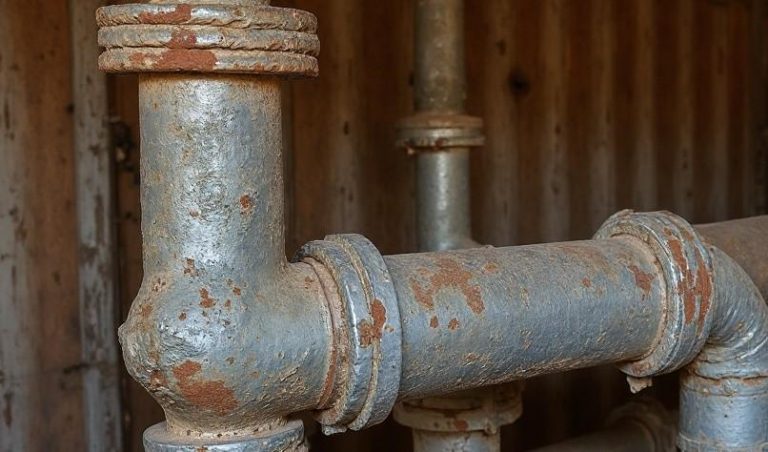
In older homes, galvanized sections restrict flow due to internal rust. A smart Kendalia plumber replaces entire runs where possible instead of patching short sections. Mixing old and new pipe can work, but it creates points of failure at threaded unions. If the home has old cast iron drains, sections near traps and under tubs may need replacement, since scale and corrosion collect there first.
With additions, consider whether to run a dedicated PEX home-run to a manifold. This approach reduces pressure drops when someone flushes while the shower runs. It also makes future shutoffs easy at a central point. For gas lines to new tankless heaters or outdoor kitchens, sizing matters. Longer runs need larger diameter pipe to deliver the BTUs, especially if the property sits on a propane system with regulators set at specific inches of water column.
Water heaters that match real-world use
Peak demand and water hardness decide the right water heater in Kendalia. A 50-gallon standard tank fits many three-bedroom homes, but a busy household with soaking tubs, teenagers, and frequent laundry can benefit from a 75-gallon tank or a properly sized tankless system. Tankless is attractive for endless hot water and space savings, but it needs gas supply sized correctly, a clean flue path, descaling ports, and often a pre-filter if the well carries sand or grit.
Hard water shortens heater life. Scale can reduce efficiency by 10 to 20 percent over a few years if left untreated. A softener or a conditioner installed upstream helps, and annual service keeps performance steady. In mixed-use setups, a hybrid heat pump water heater may reduce electric bills, but it needs space, a drain for condensate, and enough room to move air. In tight closets or in heavily used laundry rooms, it may not be the best fit.
Softeners and filtration: right-sized for Kendalia wells
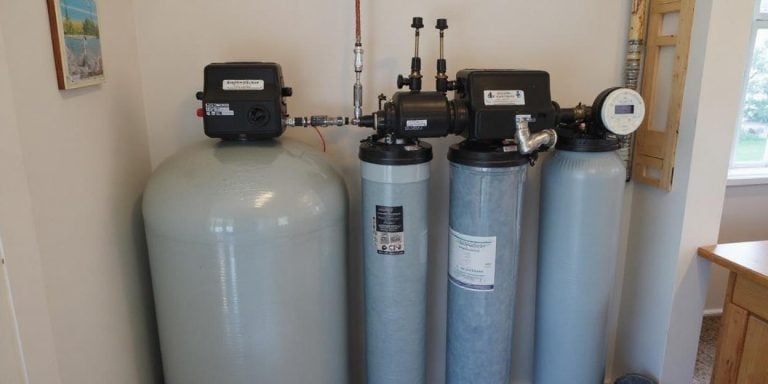
Many Kendalia properties rely on private wells with specific minerals. A plumber who works here often recommends a two-stage approach: a sediment filter to catch sand and silt, followed by a softener sized by grains of hardness and household usage. A family of four typically uses 200 to 300 gallons per day. For hardness of 15 gpg, a 32,000 to 48,000 grain softener usually works, with regeneration set based on actual meter readings rather than a fixed schedule.
If the well has iron or sulfur smell, a dedicated iron filter or an air injection system can help. Filters should be plumbed with bypass valves and unions to make service quick. Ball valves with quarter-turn action save time and reduce leaks later. Keep brine tanks accessible, not tucked behind water heaters or inside tight closets where spills are hard to clean.
Septic considerations that affect indoor plumbing choices
Septic systems work best when predictable flows and low solids enter the tank. High-efficiency toilets with 1.28 gpf balances water savings with reliable transport. Oversized tubs and rain showers can dump a lot of water fast, which can stir the tank and push solids into the field if several fixtures run at once. That does not mean homeowners should avoid them, it means the plumber should size lines correctly, set vents for smooth flow, and confirm the septic system capacity supports the fixture count.
Garbage disposals add load to septic systems. If a family cooks often, a disposal can work, but it calls for regular tank pumping and mindful use. Some homeowners skip disposals and install a deep basket strainer instead. Dishwashers should drain properly with an air gap or high loop to prevent backflow and to keep food solids from washing directly into a septic line without dilution.
Drainage, venting, and slope: quiet pipes and fewer clogs
The best plumbing systems are quiet. That comes from proper slope on horizontal drain lines, smooth fittings rather than hard angles, and vent stacks that breathe well. In Kendalia homes with long runs to septic tanks, the grade should stay consistent to prevent low spots where solids settle. Inside the house, a good mix of main vents and AAVs only where permitted keeps traps from siphoning. Gurgling sinks point to vent issues. Those small noises become big problems if ignored.
For shower pans, a flood test before tile protects the investment. For tubs, the trap and overflow should use solvent-welded fittings, not flimsy slip joints hidden behind walls. On kitchen sinks, a clean-out at a reachable spot pays dividends. A Kendalia plumber sees a lot of long kitchen runs that sag over time in pier and beam homes. Extra hangers and proper support prevent bellies that invite clogs.
Supply lines: pressure, materials, and smart routing
High pressure stresses valves and hoses. Anything over 75 psi calls for a pressure reducing valve near the main shutoff. Homes on wells may see pressure fluctuations based on the pump and tank settings. A cycle that bounces between low and high pressure shortens appliance life. A pressure tank set up and a properly tuned switch creates a smoother range, often around 40 to 60 psi.
As for materials, PEX is popular because it bends around rock and survives minor freezing better than rigid pipe. Copper still shines near heat sources and in UV-exposed outdoor spots. Stainless steel braided hoses for washers and faucets outperform rubber lines and should be used with metal angle stops. Where lines cross attic space, insulation sleeves reduce freeze risk, and drip pans under air handlers and water heaters provide early warning for leaks.
Permits, code, and inspections: save headaches later
Kendalia sits in a patchwork of county oversight and utility jurisdictions. Even in areas with light permitting, a reputable team builds to current code. That means working traps for every fixture, vacuum breakers on hose bibs, a proper T&P discharge line for water heaters, and correct combustion air for gas appliances. Inspections catch things the eye can miss. Pressure tests on supply lines, camera checks on drains after major work, and water heater combustion checks help a system pass on the first try and keep insurance coverage solid.
Smart upgrades that pay off in daily use
A few small choices create long-term comfort and protection. Quiet-close, high-efficiency toilets prevent ghost flushing and cut water bills in a year or two. Anti-scald mixing valves keep shower temperatures steady even when the washing machine kicks on. A whole-home leak detector with automatic shutoff provides security for vacation times. For ranch properties, frost-free hose bibs help through cold snaps, and dedicated irrigation meters can separate outdoor use from the household bill where the utility allows it.
Kitchens benefit from air gaps on dishwashers, deeper sink bowls, and pull-down sprayers. In bathrooms, an extra shutoff under the sink saves time later. If a remodel opens walls, adding a laundry drain pan and raising outlets above the drain level can spare a flood during a future hose failure.
The cost picture: where the dollars go and how to prioritize
Plumbing installs cost more where trenching hits rock or where long runs cross a property. Expect equipment to be a large share of a water heater or softener job, while labor dominates complex reroutes in remodels. Homeowners in Kendalia often ask where to invest first. Three high-return choices stand out: right-sized water heating, water treatment that matches actual test results, and pressure control. These three reduce wear across the system, cut utility spend, and extend fixture life.
As for timelines, a standard water heater swap usually finishes in half a day. A tankless retrofit can take a full day to two days if gas and venting need upgrades. Whole-home repipes can run two to five days depending on size and access, with water off in short windows while transitions happen. Clear scheduling and a clean job site matter as much as the fittings used.
Safety and freeze protection in Hill Country winters
Kendalia can see sudden cold snaps. Pipes in exterior walls and attics face the highest risk. During installations, adding pipe insulation, foam boxes on hose bibs, and heat tape in critical areas creates a safety margin. For tankless heaters mounted on exterior walls, a freeze kit and correct clearances protect the unit. In severe cold, a slow drip on the farthest faucet can help, but proper insulation beats drip strategies every time.
Gas appliances need correct venting and combustion air. Backdrafting can occur if a powerful range hood or fireplace competes for air. A qualified team checks draft and adds make-up air where needed. Carbon monoxide detectors in sleeping areas and near gas appliances are a small cost for serious protection.
How to pick the right partner for the job
Homeowners searching for a plumber near me or plumbing company near me want quick help, but speed without planning rarely ends well. Look for a Kendalia plumber who asks about water source, pressure, hardness, and septic. That shows deeper understanding of local conditions. They should provide clear line-item estimates, explain material choices, and show permit knowledge. Photos of past work help more than generic claims. Clean glue joints, supported lines, and thoughtful shutoff placement are signs of pride and skill.
If you are comparing plumbing contractors near me, ask how they size tankless units, whether they install isolation valves for flushing, and how they handle descaling in hard water zones. Ask about warranty terms and whether they stock common repair parts in their trucks. Quick access to parts cuts downtime if anything needs adjustment.
Simple maintenance that keeps new installs in shape
New systems stay healthy with light, steady maintenance. Homeowners can replace sediment filters every few months, adjust softener salt levels, and keep debris away from outdoor units. Water heaters benefit from annual flushing in hard water areas. Tankless units need descaling based on actual hardness, often every one to two years. Check washing machine hoses every year and replace any that show bulging or rust at the crimp.
Toilets that start to run usually need a new flapper or fill valve. A quick fix prevents water waste and keeps septic systems from long, low-flow trickles that disturb bacteria balance. Under-sink shutoffs should be exercised twice a year. Turning them off and back on prevents mineral buildup from freezing the valve.
Real examples from local homes
A family off Ranch Road 473 dealt with pinhole leaks in copper lines buried shallow across a rocky yard. The solution was a PEX reroute through the attic with proper insulation and a new main shutoff in a reachable spot by the garage. Pressure stabilized, leaks stopped, and they gained the ability to isolate each bathroom at the manifold.
Another homeowner near Edge Falls upgraded from a 40-gallon tank to a properly sized tankless unit. A gas line upsizing and a dedicated descaling port were part of the install. With hardness at 16 gpg, they added a softener. The tankless has run clean for three years with scheduled service and now handles morning showers, laundry, and kitchen use without temperature dips.
In a remodel off FM 3351, a low-slope kitchen drain had recurring clogs. The fix involved re-pitching the line, adding a clean-out behind a cabinet toe-kick for easy snake access, and securing the run with extra hangers. Since then, the sink drains quietly even with heavy holiday cooking.
When to call for help and what to expect
If you are planning a new bathroom, replacing a water heater, or dealing with recurring low pressure or slow drains, reach out to local plumbing services near me with strong references in Kendalia. Expect a site visit where a licensed professional checks water pressure, tests hardness, looks at existing lines, and maps venting. You should receive a clear scope with materials specified, permit needs listed, and a schedule. Good communication continues through the job, with updates at each milestone.
For urgent issues like a leaking water heater, a burst line, or a sewage odor, plumbing repair services near me should respond quickly, stabilize the problem, and propose long-term fixes once the immediate risk is under control.
Why homeowners choose a Kendalia-focused team
Homes here benefit from people who work this terrain daily. A Kendalia plumber understands how well pumps behave after heavy use, how to run lines where rock fights every inch, and how to protect systems through sudden cold snaps. They size water treatment for real numbers, not guesses, and they pick materials that stand up to local conditions. That local fit shows up in quiet drains, steady water temperature, and fewer service calls year after year.
If you want straight answers and a clean install, contact Gottfried Plumbing llc. The team handles full installs, remodel tie-ins, water heaters, softeners, septic-friendly fixture choices, and careful repairs. Whether you searched plumber near me, plumbing contractors near me, or Kendalia plumber services, you will get clear plans, tidy work, and a system that does its job without fuss.
Quick homeowner checklist before any install
- Test water for hardness, iron, sulfur, and bacteria to choose the right filtration and softening.
- Measure water pressure at several times of day; add a pressure reducing valve if readings sit high.
- Confirm septic capacity and drain field health before adding large fixtures.
- Plan for freeze protection on any line in an exterior wall, attic, or garage.
- Choose access-friendly shutoff and clean-out locations to simplify future service.
Ready to upgrade or build right?
Gottfried Plumbing llc serves Kendalia, TX and nearby Hill Country homes with practical planning and careful installs. If you are mapping a new bathroom, Kendalia plumber services planning a kitchen, replacing a water heater, or fixing recurring clogs, reach out. A short conversation can prevent costly rework and make the system fit the home as it stands today. Call to schedule an on-site visit, or send a few photos of the existing setup to get started. Whether your search was plumbing company near me or plumbing services near me, the team is local, responsive, and focused on work that lasts.
Gottfried Plumbing LLC provides residential and commercial plumbing services throughout Kendalia, TX, and nearby communities. The company handles water heater repair and replacement, leak detection, drain cleaning, and full plumbing maintenance. Licensed plumbers are available 24 hours a day for emergency calls, offering quick and dependable solutions for leaks, backups, and broken fixtures. Gottfried Plumbing focuses on quality workmanship, honest service, and reliable support for homes and businesses across the Boerne area. Gottfried Plumbing LLC Phone: (830) 331-2055 Website:
https://www.gottfriedplumbing.com,
24 Hour Plumber,
Boerne Plumbing
Map: View on Google Maps